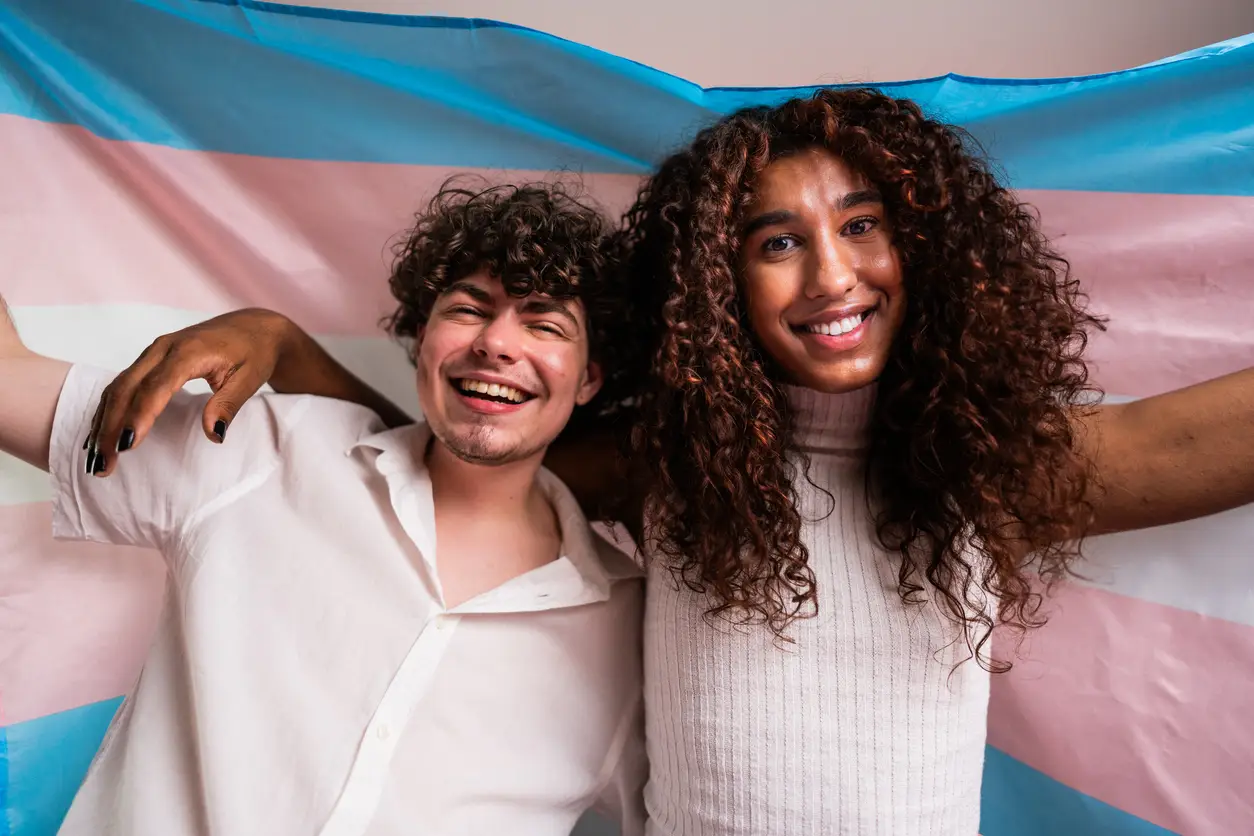
How AFAB Terminology Supports Respectful Conversations About Gender
Utilizing the term AFAB (assigned female at birth) encourages compassionate and respectful discussions regarding gender. It provides individuals a means to express their identity and self-perception clearly, minimizing the chances for confusion. Utilizing AFAB allows us to express ourselves more clearly, prevent errors, and acknowledge everyone’s identity. Using inclusive language like this makes individuals feel secure, appreciated, and acknowledged. The language we choose is important, and phrases like AFAB create a more inclusive and inviting atmosphere for everyone.
Acknowledge and honor the way individuals define themselves. Inclusive language affirms individuals and fosters discussions that make everyone feel at ease participating. Gender terminology might appear intricate initially, but understanding some essential terms simplifies it. A significant term you might come across is AFAB.
The term AFAB stands for “assigned female at birth.” A doctor uses this term for a baby because of the baby’s body. But this does not tell you how that person will feel about their gender later on. Some people feel okay with this label, and some do not. Knowing the meaning of AFAB helps people talk with more care. It helps them not mix up gender identity with what the body says at birth.
Interacting about gender can be tough if we do not use the correct words. Using clear language helps stop confusion and keeps talks respectful. One helpful term is AFAB, and knowing the AFAB meaning makes discussions easier and more accurate. It talks about the body at birth but does not decide who someone will be later on. When we use words like this, people can see the difference between the body assigned at birth and the identity a person grows into. This makes it easier for everyone to have open and supportive talks.
Respect in talks is shown when you pick words that do not make people feel boxed in or judged. Gender is a part of who you are. All people should have the right to talk about themselves in the way that suits them best.
Using common words instead of selecting sides to support shows that you do not need to put a fault or tight label on somebody. This is why using AFAB terms can help make a place feel secure. People can feel free to say who they are, not just go by what they were told at birth.
Promoting Inclusive Communication
Inclusive language is not about creating things that are tough to consider. It is about being careful with words. When people choose words like AFAB, they show they want to take identity out of just a medical view. This choice shows they know about and respect the many ways people feel about their gender. It makes sure that all people feel welcome in the interaction, no matter if they sense the traditional way or not. A little difference in words can make a large difference in how secure and valued somebody can feel.
Practical Use in Conversations
Using words that are aware of gender can be easy in everyday life. Here are a few ways you can practice paying focus to the language you use:
● Listen to how other people talk about who they are before you give any labels.
● If you are not sure about who someone is, use simple and fair words.
● Show respect when someone tells you the words or pronouns they use for themselves.
● Do not mix talk about medical things with who someone feels they are.
● Keep in mind that a person’s identity can differ over time.
These steps show how care and respect can develop when people interact with each other in a thoughtful way.
Building Awareness and Empathy
When people understand what AFAB meaning and why we try it, they begin to feel and show more care for others. Knowing about this helps break down wrong thoughts and negative labels. Talking about gender turns into something kinder and more helpful.
Instead of putting people into boxes, these words help us get to understand each person’s story. Using respectful words is best for people, and it also helps make communities powerful, because it brings more kindness and helps everybody feel that they belong.
Words shape the way people connect with each other. Using respectful language ensures that conversations about gender are caring and thoughtful. Inclusive words show a willingness to listen and learn from others. Even small changes in the way we speak can transform interactions into moments of support and kindness. Choosing the right language helps uplift others, making communication clearer, healthier, and more welcoming for everyone.
Utilizing the term AFAB (assigned female at birth) encourages compassionate and respectful discussions regarding gender. It provides individuals a means to express their identity and self-perception clearly, minimizing the chances for confusion. Utilizing AFAB allows us to express ourselves more clearly, prevent errors, and acknowledge everyone’s identity. Using inclusive language like this makes individuals feel secure, appreciated, and acknowledged. The language we choose is important, and phrases like AFAB create a more inclusive and inviting atmosphere for everyone.
Acknowledge and honor the way individuals define themselves. Inclusive language affirms individuals and fosters discussions that make everyone feel at ease participating. Gender terminology might appear intricate initially, but understanding some essential terms simplifies it. A significant term you might come across is AFAB.
The term AFAB stands for “assigned female at birth.” A doctor uses this term for a baby because of the baby’s body. But this does not tell you how that person will feel about their gender later on. Some people feel okay with this label, and some do not. Knowing the meaning of AFAB helps people talk with more care. It helps them not mix up gender identity with what the body says at birth.
Interacting about gender can be tough if we do not use the correct words. Using clear language helps stop confusion and keeps talks respectful. One helpful term is AFAB, and knowing the AFAB meaning makes discussions easier and more accurate. It talks about the body at birth but does not decide who someone will be later on. When we use words like this, people can see the difference between the body assigned at birth and the identity a person grows into. This makes it easier for everyone to have open and supportive talks.
Respect in talks is shown when you pick words that do not make people feel boxed in or judged. Gender is a part of who you are. All people should have the right to talk about themselves in the way that suits them best.
Using common words instead of selecting sides to support shows that you do not need to put a fault or tight label on somebody. This is why using AFAB terms can help make a place feel secure. People can feel free to say who they are, not just go by what they were told at birth.
Promoting Inclusive Communication
Inclusive language is not about creating things that are tough to consider. It is about being careful with words. When people choose words like AFAB, they show they want to take identity out of just a medical view. This choice shows they know about and respect the many ways people feel about their gender. It makes sure that all people feel welcome in the interaction, no matter if they sense the traditional way or not. A little difference in words can make a large difference in how secure and valued somebody can feel.
Practical Use in Conversations
Using words that are aware of gender can be easy in everyday life. Here are a few ways you can practice paying focus to the language you use:
● Listen to how other people talk about who they are before you give any labels.
● If you are not sure about who someone is, use simple and fair words.
● Show respect when someone tells you the words or pronouns they use for themselves.
● Do not mix talk about medical things with who someone feels they are.
● Keep in mind that a person’s identity can differ over time.
These steps show how care and respect can develop when people interact with each other in a thoughtful way.
Building Awareness and Empathy
When people understand what AFAB meaning and why we try it, they begin to feel and show more care for others. Knowing about this helps break down wrong thoughts and negative labels. Talking about gender turns into something kinder and more helpful.
Instead of putting people into boxes, these words help us get to understand each person’s story. Using respectful words is best for people, and it also helps make communities powerful, because it brings more kindness and helps everybody feel that they belong.
Words shape the way people connect with each other. Using respectful language ensures that conversations about gender are caring and thoughtful. Inclusive words show a willingness to listen and learn from others. Even small changes in the way we speak can transform interactions into moments of support and kindness. Choosing the right language helps uplift others, making communication clearer, healthier, and more welcoming for everyone.
