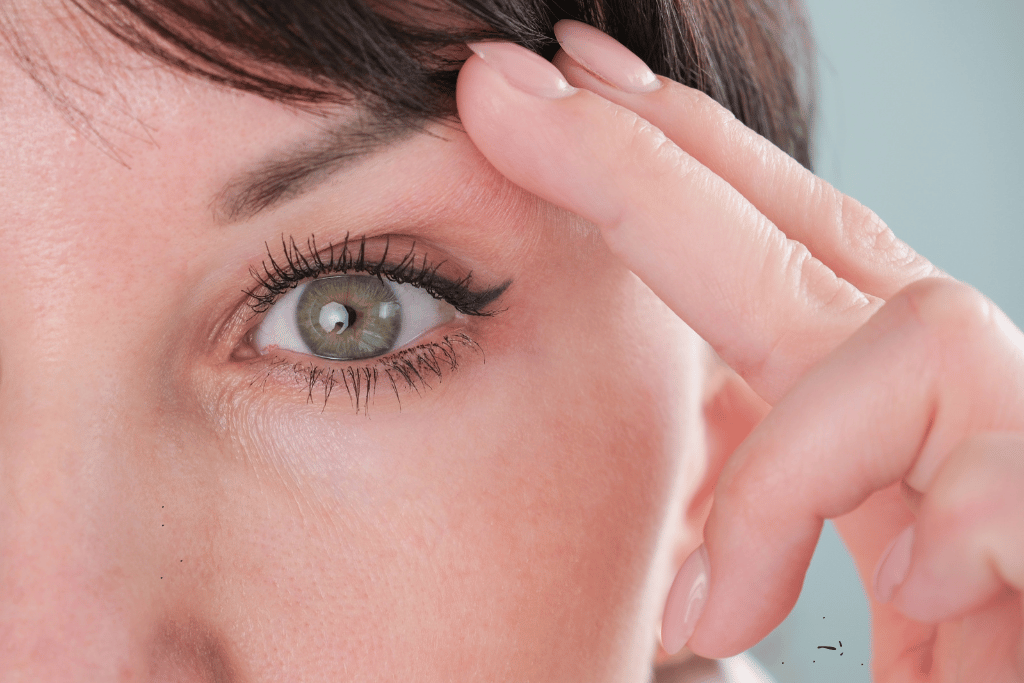
Have you ever looked in the mirror and felt like your eyes suddenly look more tired than you actually feel? Droopy eyelids can change your entire appearance. They can make you look older, exhausted, or even less confident — even when you’re well-rested. For many people, this shift happens gradually, so slowly that they don’t notice it until photos start looking different. Some people immediately start searching for quick fixes, eye creams, or even an Eyelid Anti-Aging Device, hoping for a simple solution. But before jumping into treatments, it’s important to understand what actually causes droopy eyelids in the first place.
Let’s break it down clearly and simply.
Contents
1. Natural Aging
The most common cause of droopy eyelids is simply aging.
As we grow older, our skin loses collagen and elastin — the proteins responsible for keeping skin firm and elastic. The skin around the eyes is already thinner than the rest of the face, which makes it more vulnerable to sagging. Over time, this delicate area begins to lose its tightness.
In addition to skin changes, the muscles that lift your eyelids also weaken. The primary muscle responsible for lifting the upper eyelid is called the levator muscle. With age, it can stretch or become less effective, leading to gradual drooping.
This type of drooping is often subtle at first but becomes more noticeable over the years.
2. Loss of Collagen and Skin Elasticity
Collagen loss deserves its own spotlight because it plays such a major role.
Collagen production naturally declines starting in your mid-20s. By your 30s and 40s, the decrease becomes more visible. Since eyelid skin is extremely thin, even small reductions in firmness can cause visible sagging.
When collagen levels drop:
- Skin becomes thinner
- Elasticity decreases
- Gravity pulls skin downward more easily
That’s why droopy eyelids are often one of the earliest signs of facial aging.
3. Genetics
Sometimes, droopy eyelids aren’t about aging at all — they’re genetic.
If your parents or grandparents had hooded or sagging eyelids, there’s a good chance you might develop them too. Some people naturally have heavier eyelid skin or a lower brow structure that creates the appearance of drooping even at a young age.
In these cases, the eyelids may not actually be weak — it’s simply how the facial structure is built.
Genetics can also influence how quickly collagen breaks down and how your skin responds to environmental stress.
4. Sun Damage
Sun exposure is one of the biggest contributors to premature eyelid sagging.
Ultraviolet (UV) rays break down collagen and elastin fibers in the skin. Since the eye area is often exposed to sunlight — and many people forget to apply sunscreen there — damage accumulates over time.
This leads to:
- Thinner skin
- Fine lines
- Increased laxity
- Early drooping
Wearing sunglasses and applying gentle sunscreen around the eyes can help slow this process significantly.
5. Repeated Facial Movements
Your eyelids move thousands of times a day when you blink, squint, or rub your eyes. Over years, these repetitive movements can contribute to skin stretching.
Squinting — especially in bright sunlight without sunglasses — puts strain on the eye muscles and skin. Rubbing your eyes frequently can also weaken delicate tissues.
While normal movement is unavoidable, excessive strain can speed up sagging.
6. Medical Conditions (Ptosis)
Sometimes droopy eyelids are more than just cosmetic — they may be medical.
A condition called ptosis occurs when the eyelid droops due to muscle or nerve issues. This can affect one or both eyes and may partially block vision in more severe cases.
Ptosis can be caused by:
- Nerve damage
- Muscle disorders
- Injury
- Complications from surgery
If drooping appears suddenly or interferes with vision, it’s important to consult a healthcare professional.
7. Lifestyle Factors
Your daily habits also impact eyelid firmness more than you might think.
Smoking accelerates collagen breakdown and reduces blood flow to the skin. Poor sleep affects tissue repair. Chronic stress increases inflammation, which can weaken skin over time.
Even dehydration can make eyelid skin look looser and thinner.
Healthy lifestyle habits — like staying hydrated, eating nutrient-rich foods, sleeping well, and avoiding smoking — support long-term skin strength.
8. Weight Fluctuations
Rapid weight loss can sometimes make drooping more noticeable.
When fat volume in the face decreases, the skin that once stretched over fuller areas may appear looser. Since eyelid skin is thin, changes in facial fat distribution can subtly alter how the eyes look.
This doesn’t mean weight loss is unhealthy — it simply explains why some people notice changes in the eye area after significant body changes.
Why Droopy Eyelids Make You Look Tired
Even mild sagging can cast shadows over the eyes, making you appear fatigued or less alert. The upper eyelid plays a big role in how open and awake your eyes look.
When it droops:
- The eye opening appears smaller
- The face looks heavier
- Makeup may not sit the same way
- Expressions can seem less energetic
This is why many people seek solutions — not necessarily to look younger, but simply to look more awake.
Can Droopy Eyelids Be Prevented?
While you can’t completely stop aging, you can slow the visible effects.
Here are practical steps:
- Protect your skin from sun exposure
- Avoid smoking
- Maintain good sleep habits
- Stay hydrated
- Use gentle skincare around the eyes
- Avoid aggressive rubbing
Prevention is always easier than correction.
Read the article: Which Chakra is Related to Skin Problems?
Final Thoughts
Droopy eyelids are incredibly common, and in most cases, they’re a natural part of aging. Collagen loss, muscle weakening, genetics, sun exposure, and lifestyle habits all play a role.
Understanding the cause is the first step toward deciding what approach is right for you. Whether you choose skincare, lifestyle adjustments, non-invasive treatments, or simply embrace the natural changes, knowing what’s happening beneath the surface gives you clarity and confidence.
Your eyes are one of the most expressive parts of your face. Taking care of them starts with understanding them.
