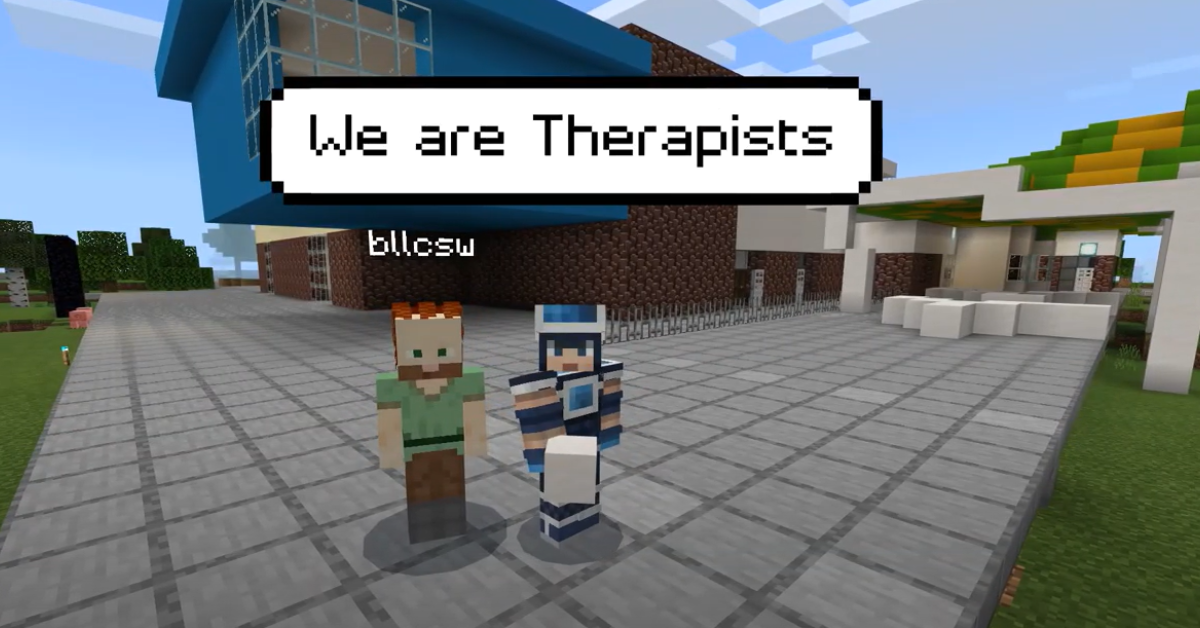
Minecraft therapy, a popular commercial video game, is gaining popularity as mental health professionals increasingly explore ways to utilize video games for their therapeutic value. While traditional therapy sessions remain vital, the integration of digital play therapy is opening new doors for addressing traumatic events and reducing PTSD symptoms.
This approach is particularly well-suited for young people, as playing games like Minecraft provides a virtual space for creativity, safety, and healing, offering tools for emotional regulation, personal growth, and even social connection.
Contents
- 1 Minecraft Therapy and the Therapeutic Process
- 2 Video Games and Mental Health: Building Resilience
- 3 Education Edition and Structured Therapy Sessions
- 4 Play Minecraft to Reduce PTSD Symptoms and Intrusive Memories
- 5 Virtual Space, Real Impact: Social Connection and Support
- 6 From Digital Play Therapy to Real Life Healing
- 7 Follow-up and Long-term Benefits
- 8 Conclusion
Minecraft Therapy and the Therapeutic Process
The therapeutic process typically involves building trust, examining past traumas, and developing adaptive coping strategies. In the context of Minecraft therapy, participants are guided to play Minecraft not just for enjoyment but as a structured therapeutic activity. This immersive game creates a safe space where people can metaphorically build their worlds.
The virtual reality element of the gameplay in Minecraft provides a perfect and unique opportunity for exposure therapy, especially for those who are dealing with post-traumatic stress disorder. By recreating aspects of real life or their real-life experiences, participants can face difficult memories in their own space. In controlled therapy sessions, therapists can tailor the course to meet the individual needs of each person.
Video Games and Mental Health: Building Resilience
Extensive research now supports the link between video games and improved mental health outcomes. For instance, a recent study found that commercial games, such as Minecraft, when used intentionally, can reduce intrusive memories, lower anxiety, and ease depression. Minecraft therapy offers more than distraction; it delivers therapeutic effects.
This is where digital play therapy truly shines. Unlike passive forms of media, play allows for learning, emotional processing, and skill development. Minecraft supports the therapeutic process by enabling individuals to experiment, create, and experience a sense of urgency. These are key factors essential in trauma recovery.
Education Edition and Structured Therapy Sessions
The Education Edition of Minecraft offers more value to Minecraft therapy. This version includes specialized tools for classroom settings, after-school programs, and therapy sessions, which allow practitioners to set goals, assess programs, and guide young adults through trauma-informed activities. Using the Education Edition, therapists can simulate scenarios for exposure therapy, model adaptive coping strategies, or encourage participants to create metaphors for their feelings and symptoms.
These therapy sessions can be conducted either individually or in group settings. A control study showed that people who use Minecraft exhibited significantly fewer PTSD symptoms than those receiving only talk therapy. Therapists also noted increased insight, stronger social interactions, and improved personal growth among individuals engaging in Minecraft therapy.
Play Minecraft to Reduce PTSD Symptoms and Intrusive Memories
One of the main goals of Minecraft therapy is to reduce several symptoms, such as intrusive memories, emotional dysregulation, and stress. Through guided play, people can create symbolic representations of traumatic memories and slowly reprocess them more safely than traditional verbal therapy allows.
Research on the video game Tetris has already shown that certain video games can help reduce intrusive memories by interrupting the brain’s memory consolidation process. Playing Minecraft similarly supports the therapeutic interruption of distressing images and feelings following traumatic events.
Virtual Space, Real Impact: Social Connection and Support
In addition to addressing individual symptoms, Minecraft therapy provides a platform for social connection and peer support. In multiplayer models or group therapy, participants collaborate, discuss, and problem-solve together, thereby strengthening social interactions and reducing isolation. These connections are crucial, as they help young adults who often struggle to express emotions in conventional therapy sessions.
The therapeutic value of shared gameplay goes beyond the conversation between the two players. It promotes cooperation, empathy, and trust. It reflects what people often lack after experiencing traumatic events. Minecraft also functions like sand tray therapy, enabling people to tell their stories visually and nonverbally through building.
From Digital Play Therapy to Real Life Healing
The therapeutic use of Minecraft does not end when the game is turned off. Participants often carry the skills, confidence, and emotional tools they need for real life with them, transferring these from virtual spaces to their everyday lives. This transfer of learning is essential in helping individuals return to school, reconnect with their families, and manage everyday stress.
By incorporating digital play therapy into existing treatment plans, therapists are creating a hybrid model that resonates with modern players. The individuals who receive help through this approach are primarily young people. Whether used in conjunction with cognitive behavioral therapy or as part of a broader recovery program, Minecraft therapy continues to demonstrate its effectiveness.
Follow-up and Long-term Benefits
Follow-up and long-term support are crucial components of any successful therapeutic intervention. In the context of Minecraft therapy, ongoing assessment enables mental health professionals to evaluate the patient’s progress, adjust treatment goals, and provide reinforcement as new challenges emerge. Regular follow-up ensures that the therapeutic process remains dynamic and responsive to the individual’s evolving needs.
Therapists have observed that individuals who continue to play Minecraft outside of therapy sessions often exhibit sustained improvements, including a significant reduction in Post-Traumatic Stress Disorder symptoms, enhanced emotional regulation, and increased eudaimonic well-being. These long-term effects highlight the profound impact of utilizing digital play therapy as a valuable tool for recovery.
To meet the growing interest, training programs and certifications in Minecraft therapy are becoming increasingly accessible to licensed clinicians. As more professionals adopt this approach, larger-scale studies involving control groups are expected to provide stronger evidence of its effectiveness across diverse populations and mental health conditions.
Conclusion
Incorporating commercial video games like Minecraft into therapy presents a powerful tool for trauma recovery and improved mental health, particularly among young people. This digital play therapy allows individuals to safely explore emotions, reduce PTSD symptoms, and build resilience through guided gameplay. With structured sessions using Minecraft Education Edition, therapists can tailor experiences to support healing and growth. Ongoing research and follow-up continue to validate the effectiveness of this approach.
Massachusetts mental health treatment facilities are beginning to integrate Minecraft therapy into their services, offering innovative care that blends traditional methods with interactive technology to support long-term recovery and emotional well-being.
