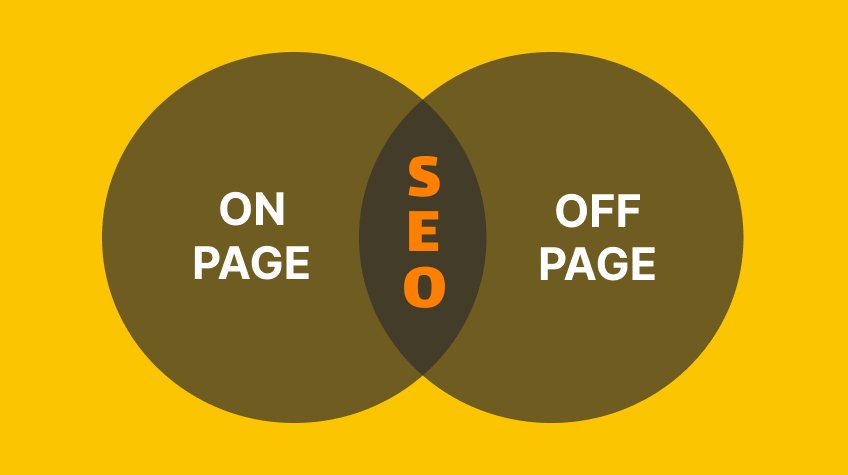
SEO stands for search engine optimization, a crucial component of digital marketing. It allows businesses to gain visibility on the internet. The on-page and off-page techniques are the two main components of SEO. This guide explains the differences between the two, as well as the importance of on-page and off-page strategies.
Contents
On-Page SEO
On-page SEO refers to the optimization of specific web pages. This helps optimize rankings on search engines, aiming to attract a larger volume of visitors. It encompasses content quality, keywords, meta tags, headers, and other relevant elements. Optimizing these elements improves the value and trust of a particular site in search engines. For expert guidance on implementing these strategies effectively, you can consult Helium SEO to ensure your pages meet the highest optimization standards.
Content Quality
On-page optimization will always go hand in hand with content quality. Good content keeps visitors engaged and encourages them to spend more time on your site. It needs to be valuable, pertinent, and structured correctly. That being said, using naturally suitable keywords in your content is critical. This enables search engines to comprehend the pageis content and the user’s query, thereby enhancing your position and the number of users you attract from search engines.
Keyword Usage
Those are the words that people type into the search bar looking for information. Using keywords effectively means selecting the right terms and phrases that accurately represent your content. A strategy where keyword adoption is done with caution and care ensures that the content matches the search queries.
Meta Tags and Headers
On-page SEO is heavily focused on Meta tags and headers. Meta tags give a brief explanation of what the page is about. Using the headers (H1, H2, etc.), you structure your content on the homepage and other pages for better readability and comprehension. These elements will help the search engine index the pages more effectively, leading to improved visibility and ranking.
Off-Page SEO
Off-page SEO deals with activities that happen outside a website. Such processes are used to increase the authority and trustworthiness of a site. Examples of some off-page techniques are link building, social media engagement, and online reputation management.
Link Building
Link building is a crucial off-page optimization technique. High-quality backlinks act like a recommendation, indicating trust to search engines. This, in return, increases the authority and ranking of the site.
Social Media Engagement
Social media engagement is another crucial component of off-page SEO. An active social media presence helps connect with audiences and share valuable content. Engaging with followers through comments and interactions enhances brand visibility and credibility. This increased engagement can lead to more shares, driving additional traffic to the website.
Online Reputation Management
Online reputation management is all about maintaining a positive image, which gives you the power to respond and gather feedback. When you build a reputation for reliability, your customers will trust you and be more likely to return. Search engines are significantly influenced by positive reviews and testimonials, which have a cumulative effect on higher search ranking and greater visibility.
Importance of Balancing Both
A proper SEO strategy includes both on-page and off-page SEO. On-page content provides more relevant information, while off-page content establishes more relevant authority. Alone, they provide increased site performance, but together, they deliver a more comprehensive approach, enabling you to leverage both. One without the other restricts potential growth and may limit long-term success.
Conclusion
SEO is one of the most critical components of the digital marketing strategy. By understanding the difference between on-page and off-page SEO, you can optimize your efforts to ensure that every action you take results in a positive change in the outcome. A combination of both approaches can provide a higher ranking and increased visibility for businesses. A strong strategy encompasses high-quality content, strategic keyword usage, and efforts to establish authority.
