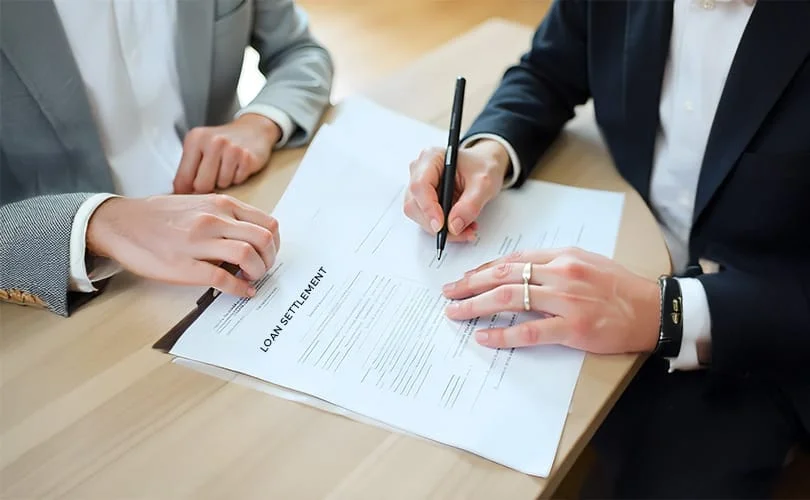
In today’s unpredictable financial climate, defaulting on a personal loan can happen to anyone. Medical emergencies, sudden job loss, or business failures can disrupt even the most carefully planned budgets. Fortunately, personal loan settlement is a viable option that offers financial relief. At Settle Loan, we guide you through the settlement process with precision and professionalism. Here’s a detailed overview of the steps involved in settling your personal loan through a structured loan settlement agreement.
1. Identifying the Financial Hardship
The first step in any personal loan settlement process is recognizing that you are no longer in a position to repay the loan as per the original terms. Lenders usually entertain settlement options only after a borrower has defaulted for 90 days or more, and the account is classified as a Non-Performing Asset (NPA). You should gather proof of financial hardship – such as medical bills, job termination letters, or loss of business – to support your claim.
2. Contacting a Professional Loan Settlement Company
Attempting to negotiate directly with lenders or recovery agents can be overwhelming. That’s where a professional loan settlement company like Settle Loan steps in. Our expert legal and financial team evaluates your case, understands your financial condition, and ensures that all communication with the bank or NBFC is handled professionally and legally.
3. Financial Assessment and Documentation
We conduct a comprehensive financial analysis to determine your repayment capacity. This includes reviewing your income, expenses, liabilities, and overall debt exposure. Supporting documents such as income proof, bank statements, and hardship letters are collected and compiled to create a solid case for settlement.
4. Negotiation with the Lender
After a thorough evaluation, our settlement experts initiate formal negotiations with the lender on your behalf. The objective is to settle the loan for a reduced amount – often significantly less than the outstanding balance. Lenders are more inclined to accept a lump-sum settlement if convinced that the borrower cannot repay the full amount and that legal recovery would be time-consuming or unproductive.
5. Drafting the Settlement Agreement
Once the lender agrees to the reduced amount, the next step is the drafting of a loan settlement agreement. This legal document includes all the terms and conditions of the settlement – the settled amount, payment deadline, waiver of remaining dues, and confirmation that the lender will not pursue legal action once payment is made. At Settle Loan, we ensure that this document is thoroughly vetted to protect your legal and financial rights.
6. Making the Settlement Payment
After the agreement is finalized, you must make the payment as per the agreed terms – usually in one lump sum or structured installments (if allowed). Timely and complete payment is essential to avoid the settlement offer from being revoked.
7. Obtaining a No Dues Certificate
Once payment is done, it’s vital to collect a No Dues Certificate or Loan Closure Letter from the lender. This document is your legal proof that the loan has been settled and no further claims remain.
8. CIBIL Report Update
Although a settled loan may be marked as “Settled” (not “Closed”) on your CIBIL report, which can affect your credit score temporarily, it’s still better than having an open default or legal proceedings. Over time, you can work on rebuilding your credit score. At Settle Loan, we also assist our clients in CIBIL score correction and financial recovery post-settlement.
Need Help? Contact Us Today
If you’re struggling with personal loan repayments, don’t wait for legal notices or harassing recovery calls. Reach out to Settle Loan, your trusted loan settlement company. We’ll help you settle your loan legally, affordably, and with dignity.
Contact Us today for a free consultation and begin your journey towards financial freedom.
