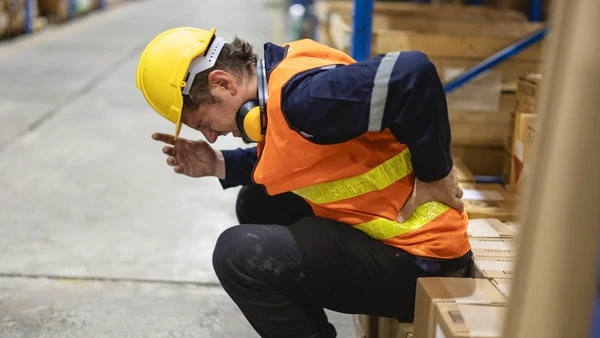
In Washington State’s unique “monopolistic” insurance environment, the relationship between a company’s daily safety culture and its long-term industrial insurance liabilities is inseparable. While many employers view safety protocols as a regulatory hurdle, the reality is that the internal social and professional environment of a workplace the “safety culture” serves as the primary lever for controlling both the frequency and severity of workers’ compensation claims.
Understanding the Washington L&I Landscape
Washington is one of the few states where workers’ compensation is primarily administered through a state-run fund by the Department of Labor & Industries (L&I). Because the system is funded by employer and worker premiums, the collective health of a workforce directly influences an employer’s Experience Factor. A culture that prioritizes safety doesn’t just prevent accidents; it creates a documented environment of care that can streamline the claims process when an unavoidable injury occurs.
The Anatomy of a Safety Culture
A safety culture is more than a signed handbook or a monthly meeting. it is the shared set of beliefs and practices that dictate how work is performed when no one is watching. In high-performing Washington firms, this usually manifests in three ways:
● Psychological Safety: Employees feel empowered to report “near misses” without fear of retaliation.
● Active Leadership: Management invests in ergonomic equipment and modern tools rather than just meeting minimum legal requirements.
● Continuous Education: Safety training is treated as an evolving skill set rather than a one-time orientation task.
Reducing Claim Frequency Through Proactive Reporting
One of the most significant impacts of a strong safety culture is the reduction of “lag time.” When a workplace emphasizes transparency, injuries are reported immediately. This allows for early medical intervention, which often prevents a minor strain from evolving into a permanent partial disability claim.
In environments where safety is secondary, workers may hesitate to report symptoms of repetitive stress or minor aches. By the time the claim is filed, the injury has often progressed to a point requiring invasive surgery or long-term time-loss benefits. For those navigating complex medical evaluations, consulting a workers’ compensation attorney can help ensure that the initial filing accurately reflects the workplace conditions that led to the injury.
Impact on Claim Severity and Litigation
Safety culture also plays a pivotal role in the post-injury phase. When an employer has a robust “Stay at Work” program or offers light-duty modifications, it demonstrates a commitment to the worker’s recovery. This cooperative atmosphere significantly lowers the likelihood of adversarial litigation.
Conversely, a “blame-centric” culture often pushes injured workers toward legal disputes. If an employee feels that their injury was the result of systemic negligence or that the employer is trying to block their benefits, the claim is much more likely to become “complex,” leading to higher costs for the employer and a more stressful recovery for the worker.
Key Factors in Washington State Claims
1. Documentation Integrity: A safety-conscious employer keeps meticulous records of training and equipment maintenance, which can be vital during an L&I investigation.
2. Safety Committees: Washington law requires most employers to have safety committees. When these are active and influential, they act as a buffer against catastrophic workplace failures.
3. The Human Element: Workers who feel valued and protected are statistically more likely to return to work sooner than those in high-stress, low-safety environments.
Common Challenges in Evolving Workplace Safety
Shifting a company culture isn’t without its hurdles. Small to mid-sized businesses in Washington often struggle with the upfront costs of safety overhauls. However, the long-term benefits—lower L&I premiums, reduced turnover, and fewer legal entanglements consistently outweigh the initial investment.
Does a Safety Culture Eliminate All Claims?
No system is perfect. Even the safest job sites in Seattle or Spokane will experience accidents. However, the goal of a safety culture is to ensure that when an accident happens, the response is clinical, supportive, and efficient. It transforms workers’ compensation from a source of friction into a functional safety net.
Summary: The Long-Term ROI of Prevention
For Washington businesses and workers alike, safety culture is the foundation of a sustainable career. By focusing on the “why” behind safety protocols rather than just the “how,” organizations can significantly lower their risk profile. A workplace that treats safety as a core value rather than a line item will inevitably see a more stable, healthy, and legally secure workforce.
