Shocking a swimming pool is one of the most critical aspects of water maintenance, yet it is often misunderstood. Many pool owners view it as a last resort for green water, but it should actually be a regular part of your sanitation routine. Shocking involves adding a high dose of oxidizer to the water to destroy organic contaminants, kill bacteria, and break down combined chlorine molecules. By mastering this process, you ensure your swimming environment remains safe, clear, and inviting throughout the season.
Contents
Understanding the Purpose of Pool Shocking
To understand why shocking is necessary, one must understand how chlorine works. When chlorine binds to contaminants like nitrogen, ammonia, and organic waste, it becomes inactive. These bonded molecules are called chloramines. Chloramines are responsible for the strong chlorine smell often associated with public pools, as well as skin irritation and cloudy water.
Shocking the pool provides a surge of chemical energy known as breakpoint chlorination. This surge oxidizes the chloramines, freeing up the available chlorine to effectively sanitize the water again. Additionally, shocking is the primary method for killing algae blooms and destroying invisible bacteria that may have survived normal sanitation levels.
Determining When to Shock Your Pool
Knowing when to perform this task is just as important as knowing how. As a general rule, pools should be shocked once a week during the peak swimming season to stay ahead of organic buildup. However, certain events trigger the need for an immediate treatment.
Heavy usage, such as a pool party with many swimmers, introduces a significant amount of sweat, oils, and bacteria into the water, requiring an extra dose of oxidizer. Heavy rainstorms can also dilute sanitizer levels and wash organic debris into the pool, making a shock treatment necessary. Finally, if you notice the water turning cloudy or see the first signs of algae growth on the walls, it is time to shock the system immediately.
Selecting the Right Shock Product
Not all shock products are created equal. Choosing the right type depends on your pool’s specific needs and current water chemistry. Calcium hypochlorite is the most common form of shock. It is powerful, unstabilized chlorine that dissolves quickly and is excellent for killing algae. However, it can temporarily cloud the water and raise calcium hardness levels.
For saltwater pools or pools with vinyl liners, sodium dichlor is often recommended because it dissolves rapidly and has a near-neutral pH, reducing the risk of bleaching surfaces. Liquid chlorine is another effective option that does not add calcium or cyanuric acid to the water, making it a pure choice for simple sanitation. Alternatively, non-chlorine shock, usually potassium monopersulfate, is an oxidizer that destroys contaminants without raising chlorine levels, allowing swimmers to re-enter the water much sooner.
Essential Preparation Steps
Before opening the bucket of chemicals, you must prepare the pool environment to ensure the shock works effectively. Adding chemicals to a dirty or unbalanced pool is often a waste of money.
Cleaning the Pool
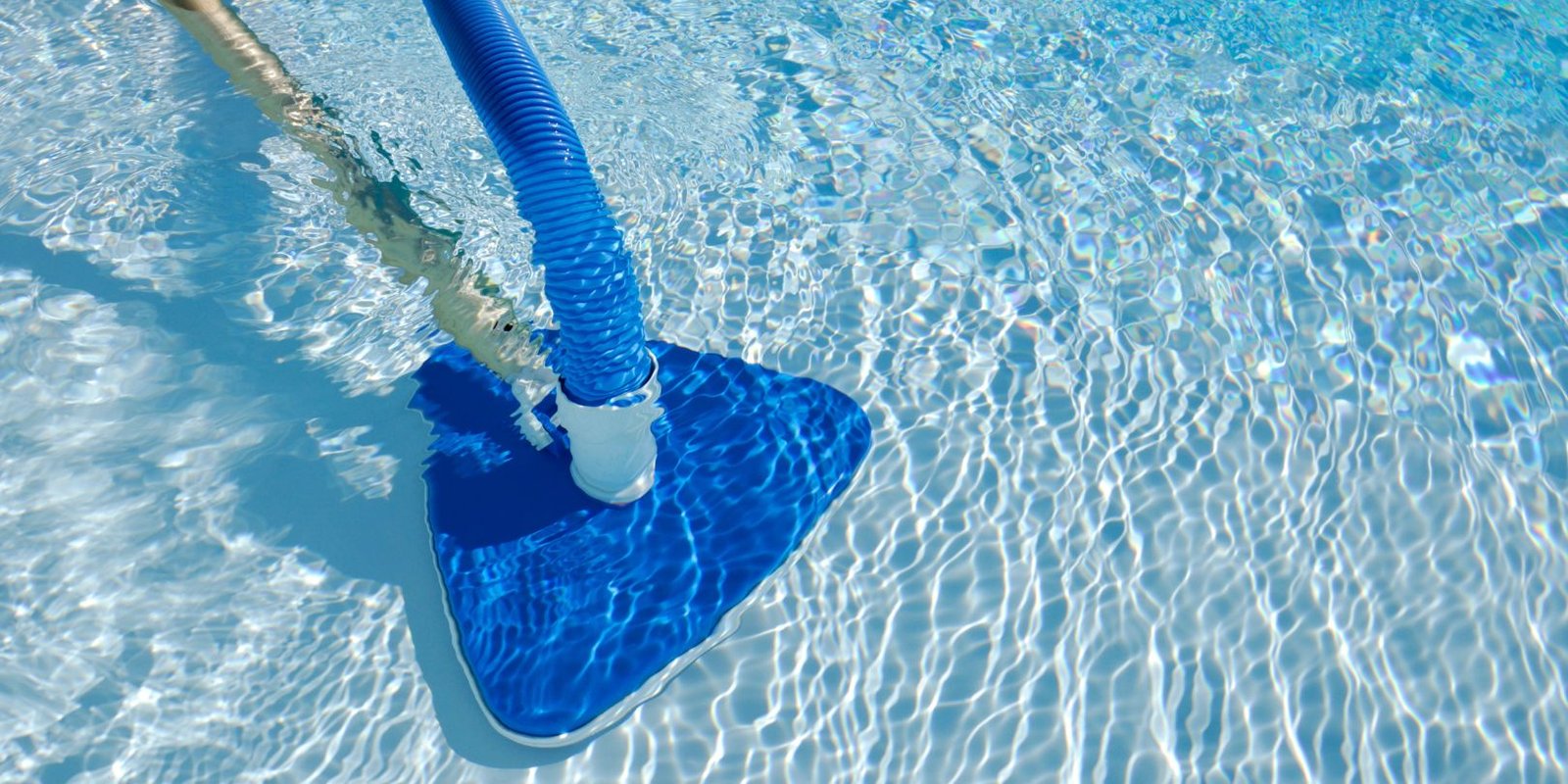
Physical debris consumes chlorine. If your pool is full of leaves and silt, the shock will attack those organic materials instead of the bacteria and chloramines you are trying to eliminate. Start by skimming the surface and brushing the walls to dislodge any algae spores. Next, remove sediment from the floor. Using a high-quality pool cleaner vacuum is the most efficient way to handle this step. These devices capture debris in self-contained filters, preventing it from clogging your main filtration system. By removing the physical dirt first, you allow the chemicals to focus entirely on water sanitation.
Balancing Water Chemistry
The effectiveness of chlorine is heavily dependent on the pH level of the water. If the pH is too high, the chlorine becomes sluggish and ineffective. Before shocking, test your water and adjust the pH to between 7.2 and 7.4. This slightly lower range ensures that the chlorine is active and potent. Additionally, check the total alkalinity to ensure the pH remains stable during the process.
The Step-by-Step Shocking Process
Once the pool is clean and balanced, you are ready to apply the shock. This process should always be done at dusk or night. Ultraviolet rays from the sun can burn off unstabilized chlorine rapidly, reducing the effectiveness of the treatment.
Calculating the Dosage
Read the manufacturer’s instructions carefully to determine the correct dosage for your pool’s volume. A standard dose is typically one pound of shock per ten thousand gallons of water. However, if you are treating visible algae, you may need to double or even triple this amount to achieve breakpoint chlorination.
Applying the Chemical
Safety is paramount when handling concentrated chemicals. Wear protective gloves and eyewear, and never mix different types of chemicals together. If you are using a granular shock that requires pre-dissolving, fill a bucket with pool water first, then slowly add the granules to the bucket—never add water to the chemicals. Stir with a wooden stick until dissolved.
With the pool pump running to ensure circulation, slowly pour the solution (or the liquid chlorine) around the perimeter of the pool. pouring it near the return jets helps disperse the chemical faster. If using a granular product that is safe for direct application, broadcast it evenly over the deepest part of the pool, being careful not to let piles settle on the floor, which can bleach the liner.
Post-Shock Maintenance and Safety
After adding the shock, leave the pool pump running for at least eight hours, or preferably twenty-four hours. This ensures the high concentration of chemicals is distributed evenly and has ample time to oxidize contaminants.
Brushing and Filtering
While the pump is running, brush the pool walls again. This helps expose any remaining algae to the high-chlorine water. If the water becomes cloudy after shocking, this is often dead algae or calcium residue. Keep the filter running until the water clears. If the pressure gauge on your filter rises, backwash or clean the filter cartridges to maintain good flow.
Resuming Routine Cleaning
Once the chlorine levels have dropped back to the safe range of 1.0 to 3.0 parts per million, it is safe to swim again. At this point, you can return to your standard maintenance routine. Integrating a robotic pool cleaner into your daily or weekly schedule will help maintain the clarity you have just achieved. These automated devices will scrub the walls and floor regularly, preventing the buildup of biofilm and reducing the frequency with which you need to perform heavy shock treatments in the future.
Conclusion
Shocking your pool is a powerful tool in your maintenance arsenal, essential for keeping water safe, clear, and odor-free. By understanding the chemistry behind chloramines and following a disciplined process of preparation, application, and circulation, you can tackle even the toughest water quality issues. Regular shocking, combined with consistent physical cleaning, ensures that your backyard oasis remains a healthy environment for family and friends to enjoy all season long.
