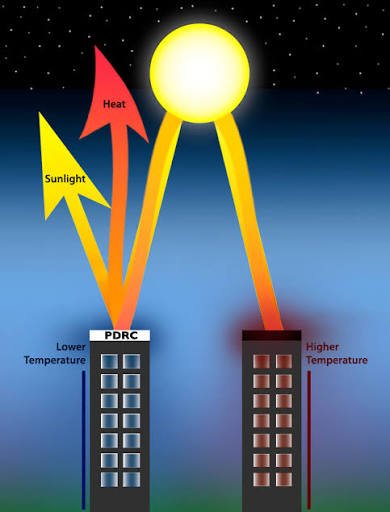
Rising energy costs and hotter summers make cooling a priority, but air conditioning is costly and energy-intensive. Passive cooling uses natural processes to reduce heat and maintain comfort without mechanical systems. By minimizing heat gain and promoting heat loss, these strategies lower energy use, cut costs, and improve comfort in buildings and vehicles.
Passive Cooling Strategies for Buildings
Building orientation forms the foundation of effective passive cooling. Structures positioned to minimize direct solar exposure during peak heat hours naturally stay cooler throughout the day. East-west orientations typically work best, with longer walls facing north and south to reduce afternoon heat gain.
Strategic shading amplifies these benefits. Overhangs, awnings, and pergolas block harsh sunlight while allowing natural light to enter. Trees planted on the south and west sides create natural shade that grows more effective over time. Fixed exterior shading devices work particularly well because they prevent heat from entering through windows in the first place.
Interior shading options like blinds and curtains provide additional control, though they’re less efficient since heat has already entered the building. The key is creating multiple layers of protection that work together to keep interiors comfortable.
Natural Ventilation Techniques
Proper ventilation moves hot air out while drawing cooler air in, creating natural air circulation that reduces indoor temperatures. Cross-ventilation works by placing windows or vents on opposite sides of a building, allowing air to flow through and carry away accumulated heat.
Stack ventilation takes advantage of hot air’s tendency to rise. By creating openings near the ceiling or roof, hot air escapes naturally while cooler air enters through lower openings. This chimney effect works continuously without requiring fans or mechanical assistance.
Night flush cooling combines these approaches by opening windows during cooler evening hours to purge accumulated heat from the building’s structure. This technique works especially well in climates with significant temperature differences between day and night.
Material choices dramatically impact how much heat buildings absorb. Light-colored exterior surfaces reflect solar radiation instead of absorbing it, keeping surface temperatures lower and reducing heat transfer into the building.
White or light-colored paint on walls and roofs can reduce surface temperatures by 20-30 degrees Fahrenheit compared to dark colors. Specialized reflective coatings perform even better, incorporating materials designed specifically to reflect infrared radiation.
Windows present unique challenges since they need to provide visibility while blocking heat. Low-emissivity (low-E) coatingsreflect heat while allowing light to pass through. Double or triple-pane windows with gas fills provide additional insulation that keeps heat out during summer and warmth in during winter.
Roofs receive the most intense solar exposure and can become extremely hot, turning buildings into ovens. Cool roof technologies address this by reflecting solar energy and emitting absorbed heat more effectively.
Cool roof materials include reflective membranes, tiles, and metal roofing systems designed to stay cooler than traditional materials. These systems can reduce roof temperatures by 50-60 degrees Fahrenheit, significantly decreasing cooling loads for the entire building.
Green roofs take a different approach by using vegetation to provide cooling through evapotranspiration. Plants absorb sunlight for photosynthesis while releasing moisture that cools the surrounding air. Green roofs also provide insulation and can reduce stormwater runoff, offering multiple environmental benefits beyond cooling.
Passive Cooling Strategies for Vehicles
Vehicle Design and Material Selection
Vehicle color affects interior temperatures just as dramatically as building colors. Light-colored vehicles can have interior temperatures 10-15 degrees cooler than dark-colored ones when parked in direct sunlight. Silver and white vehicles consistently perform best for heat reduction.
Interior materials matter equally. Leather and vinyl seats become extremely hot in direct sunlight, while fabric seats stay more comfortable. Light-colored interiors reflect more heat than dark ones, and perforated materials allow better air circulation.
Dashboard covers and seat covers provide additional protection for existing vehicles. These accessories create barriers between original materials and solar radiation while often incorporating reflective or heat-resistant properties.
Where and how you park dramatically affects vehicle interior temperatures. Covered parking provides the most effective protection, with garages, carports, and covered parking structures keeping vehicles significantly cooler than outdoor parking.
When covered parking isn’t available, strategic positioning helps minimize heat gain. Parking in shade whenever possible, even if it means walking farther, pays off in comfort and reduced air conditioning usage. Morning shade is particularly valuable since it prevents heat buildup during the hottest parts of the day.
Window orientation during parking also matters. Parking so that the largest window areas face away from the sun reduces heat gain through glass surfaces. Using sunshades or window visors provides additional protection for exposed glass areas.
Reflective Films and Window Treatments
Window films designed for vehicles can block significant amounts of solar heat while maintaining visibility. These films typically reduce heat gain by 35-50% while blocking harmful UV rays that can damage interiors and cause discomfort.
Auto window tintings like those in Salt Lake provide professional installation of these films with warranties and proper adherence to local regulations. Quality installation ensures films perform effectively and last for years without bubbling or peeling.
Removable sunshades offer a more affordable option for occasional use. Windshield sunshades are particularly effective since windshields represent the largest glass surface area in most vehicles. Custom-fit shades provide better coverage than universal sizes and store more compactly when not in use.
Combining Strategies for Maximum Effectiveness
Individual passive cooling strategies provide benefits, but combining multiple approaches creates synergistic effects that dramatically improve performance. Buildings that incorporate proper orientation, shading, ventilation, and reflective materials can reduce cooling loads by 50-70% compared to structures without these features.
The same principle applies to vehicles. Parking a light-colored car with tinted windows under shade creates much greater cooling benefits than any single strategy alone. The cumulative effect often exceeds the sum of individual contributions because each strategy addresses different aspects of heat gain.
Timing also enhances strategy combinations. Opening windows for night flush cooling while maintaining daytime shading maximizes natural temperature regulation. Similarly, using reflective sunshades during parking combined with strategic parking location choices provides comprehensive protection.
Cost considerations make combination strategies even more attractive. Many passive cooling techniques require minimal ongoing expenses once implemented, unlike mechanical cooling systems that consume energy continuously. The upfront investment in multiple passive strategies often pays for itself through reduced energy costs within a few years.
Passive cooling strategies use natural processes to improve comfort and energy efficiency while benefiting the environment. Simple steps like adding shading, improving ventilation, or adjusting habits can provide quick results, with long-term savings and sustainability making it a smart choice for hot weather solutions.
