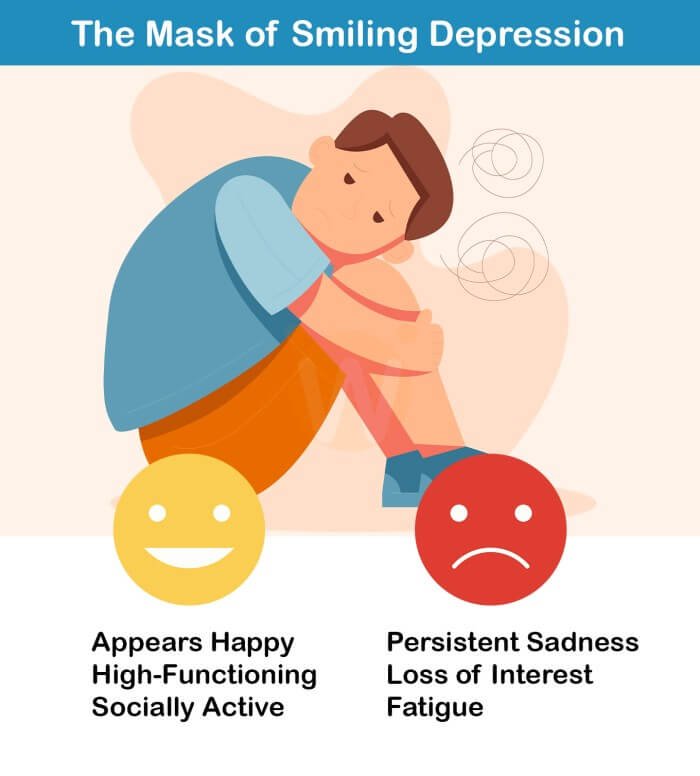
Depression often manifests in ways that are not immediately apparent, leading individuals to overlook or dismiss their symptoms. High-functioning depression, for instance, allows people to maintain daily responsibilities while internally battling persistent sadness or hopelessness. Recognizing these concealed struggles is crucial for timely intervention and effective treatment.
A depression test serves as a valuable tool in uncovering these hidden aspects of mental health. By systematically evaluating emotional and psychological states, such assessments can highlight symptoms that might otherwise go unnoticed. Early detection through such tests empowers individuals to seek appropriate support and embark on a path toward recovery.
Contents
1. Understanding High-Functioning Depression
High-functioning depression, though not a formal diagnosis, describes individuals who experience depressive symptoms while maintaining daily activities. These individuals often appear successful and put-together, masking their internal struggles. This facade can delay recognition and treatment of the underlying issue.
Common signs include persistent low mood, fatigue, and changes in sleep or appetite. Despite these symptoms, affected individuals continue to meet work and social obligations. Acknowledging the existence of high-functioning depression is the first step toward seeking help.
2. The Role of Depression Tests in Detection
These tests are structured assessments designed to identify symptoms of depression. They often include questionnaires that evaluate mood, behavior, and cognitive functions. These tests can be self-administered or conducted by healthcare professionals.
By providing objective measures of depressive symptoms, these tests help in recognizing conditions like high-functioning depression. Early detection through testing facilitates timely intervention, improving treatment outcomes. Regular screening is especially important for those who may not exhibit overt signs of depression.
3. Benefits of Early Identification
Identifying depression early allows for prompt treatment, which can prevent the condition from worsening. Early intervention often leads to better prognosis and reduces the impact on daily life. It also enables individuals to access support systems sooner.
Moreover, early detection can alleviate the burden of silently coping with depression. It encourages open discussions about mental health, reducing stigma. Timely treatment can restore quality of life and enhance overall well-being.
4. How to Take The Test
The tests are widely available online and through healthcare providers. When taking a self-assessment, it’s important to answer questions honestly to ensure accurate results. Consulting a professional for a comprehensive evaluation is recommended for a definitive diagnosis.
These assessments typically involve rating the frequency of various symptoms over a specific period. Results can indicate the presence and severity of depressive symptoms. Seeking professional interpretation of the results ensures appropriate follow-up actions.
5. Interpreting the Results
These tests can indicate the likelihood of a depressive disorder but are not a definitive diagnosis. Elevated scores indicate a need for further assessment by a mental health professional. It’s important to consider the results as part of a broader assessment of mental health.
Professionals will consider test results alongside clinical interviews and medical history. This comprehensive approach ensures an accurate diagnosis. Understanding the context of the results helps in formulating an effective treatment plan.
6. Next Steps After a Positive Indication
If the result suggests the presence of depression, seeking professional help is crucial. Potential treatment options could involve therapy, medication, or adjustments to lifestyle. Early engagement with mental health services can lead to better outcomes.
Support from friends and family also plays a vital role in recovery. Open communication about one’s struggles can foster understanding and assistance. Committing to a treatment plan and self-care practices promotes long-term well-being.
A depression test is a valuable tool for identifying hidden struggles, especially in cases of high-functioning depression. By facilitating early detection, these assessments enable individuals to seek timely and appropriate support. Recognizing and addressing depression early can significantly improve quality of life and mental health outcomes.
7. Broader Impacts in Healthcare Management
While addressing mental health is essential for individual well-being, streamlining healthcare operations also enhances patient outcomes. For example, outsourcing Chiropractic practice management services can free up time and resources for patient care. These services often include billing, scheduling, insurance verification, and compliance monitoring. Clinics benefit from reduced administrative burdens, fewer claim errors, and improved cash flow, leading to a more efficient and profitable chiropractic operation.
